Emergency Pipe Leak Repair
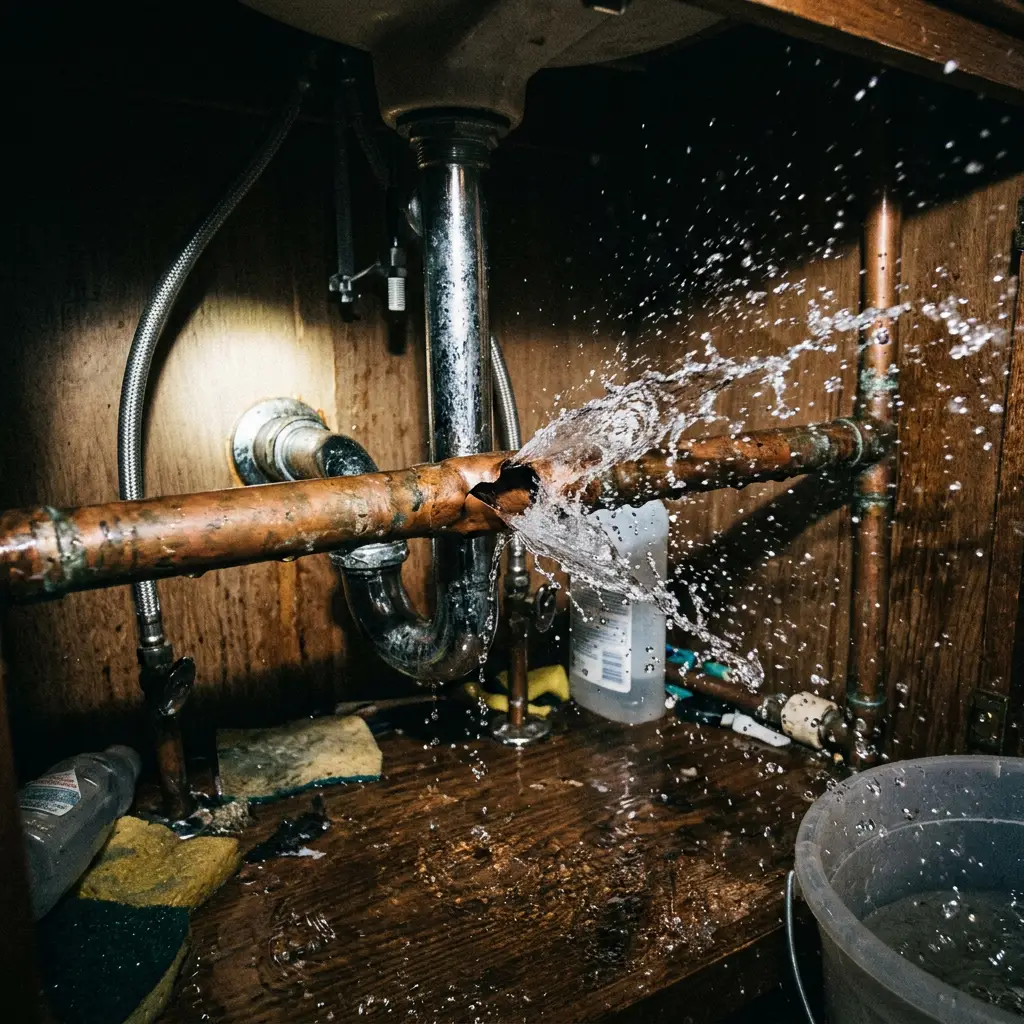
Repair for pipes that burst, split or spray, before water reaches floors, ceilings and walls.
Read about Emergency Pipe Leak Repair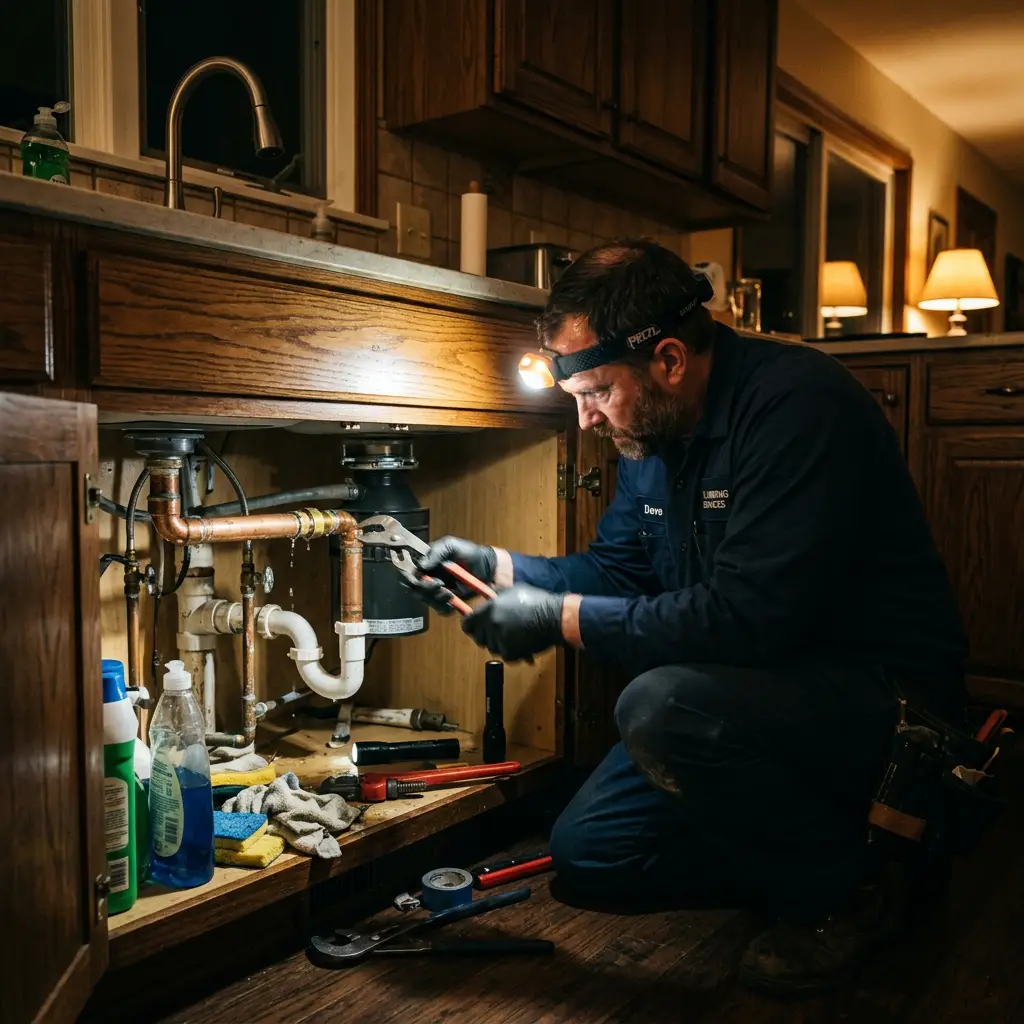
Plumbing failures do not wait for business hours. This page explains what counts as a plumbing emergency, what to do in the first minutes, and what an emergency repair visit is meant to accomplish.
A plumbing emergency is any failure that is pushing water into your home, cutting off water you cannot live without, or backing wastewater into living space. A pipe that bursts inside a wall, a toilet that will not stop overflowing and a water heater leaking across a finished floor all qualify, because the damage grows every minute the water keeps moving.
Emergencies also tend to arrive at the worst moments: late at night, over a holiday weekend, or the day before guests arrive. Knowing where your main shutoff valve is, and having a clear picture of what you are seeing, turns a frightening event into a manageable one.
Each situation below falls inside this service. Your problem may touch more than one, and the plumber will sort out which part must be handled first.
Pipes that split, joints that blow apart and flexible connectors that give way under pressure.
Toilets, tubs and sinks that spill water because of a blockage or a failed internal part.
Homes left without running water after a break, a failed valve or a damaged line.
Wastewater rising in floor drains, tubs or toilets and spreading across the floor.
Leaking tanks, split hoses and failed fittings behind washers and dishwashers.
The exact work depends on what is found, but an emergency visit generally follows this order.
Close the main shutoff valve, or the valve at the affected fixture, to limit the damage.
Note where water is coming from, what you can hear and whether anything smells wrong.
The plumber locates the failure and decides which problem must be solved first.
The failed section is repaired or replaced and water service is brought back in a controlled way.
Round the clock plumbing is about decisions made under pressure. The most useful thing you can do before a plumber arrives is slow the water, keep everyone away from standing water near outlets, and gather simple facts: when the problem started, which fixtures are affected and whether anything was recently repaired. Those details help the plumber head straight for the likely cause instead of searching.
Water that is flowing where it should not, sewage backing up, no water at all, or a leaking water heater are all urgent. A slow drip under a sink can usually wait until you can arrange a visit.
Closing a shutoff valve is always worth doing. Beyond that, cutting into pipes or forcing stuck valves often makes damage worse.
The Services page links to a focused page for leaks, sewer lines, water heaters, fixtures and shutoff valves.
Problems often overlap. These pages cover neighboring situations that homeowners in Contra Costa County run into.
Repair for pipes that burst, split or spray, before water reaches floors, ceilings and walls.
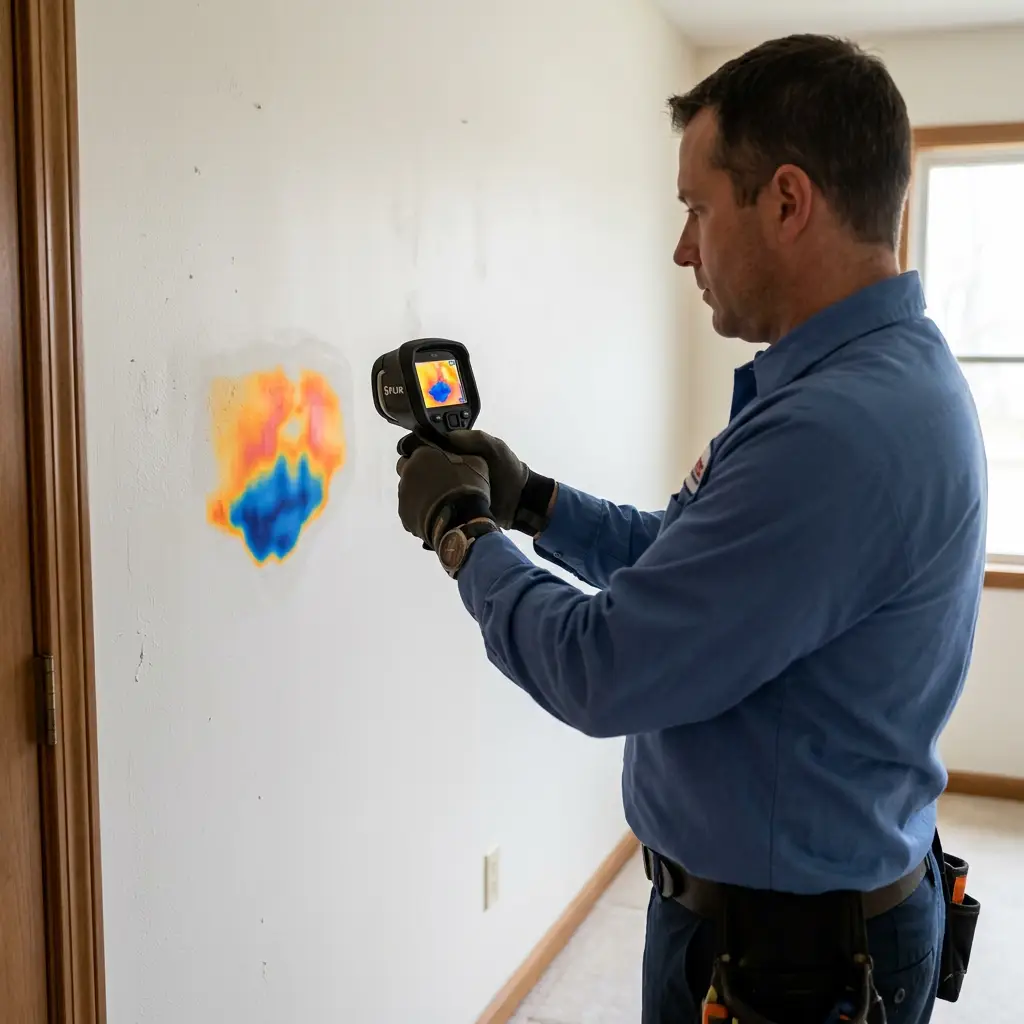
Read about Emergency Pipe Leak RepairMethodical searching for hidden leaks behind walls, under slabs and along buried lines.
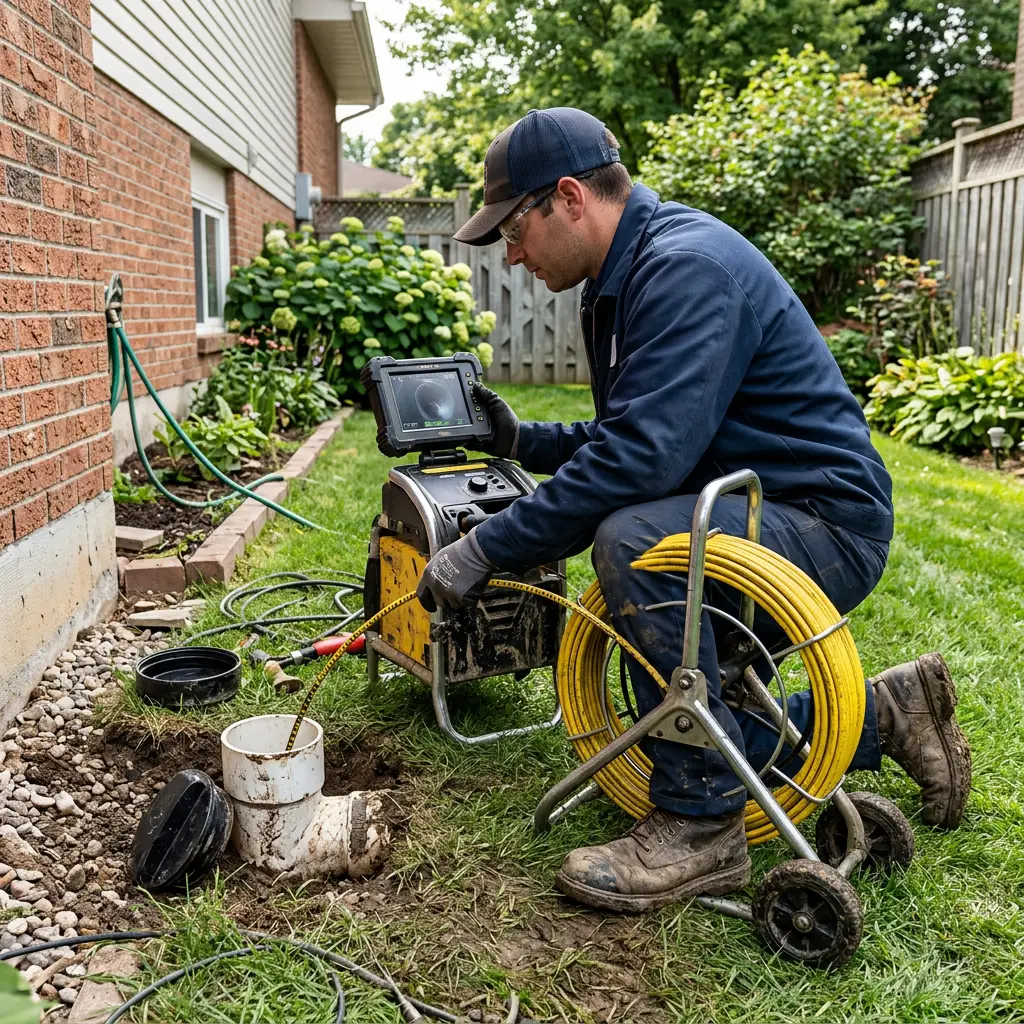
Read about Emergency Leak DetectionHelp for sewage backups, blocked main lines and broken sewer pipes beneath yards and floors.
Read about Emergency Sewer Line RepairTell Emergency Repair Plumbers what is happening in your Contra Costa County home.